Mumbai Pharma Industry Opportunities to look out for in 2026
Mumbai's Pharma Industry: Thing to Watch in 2026
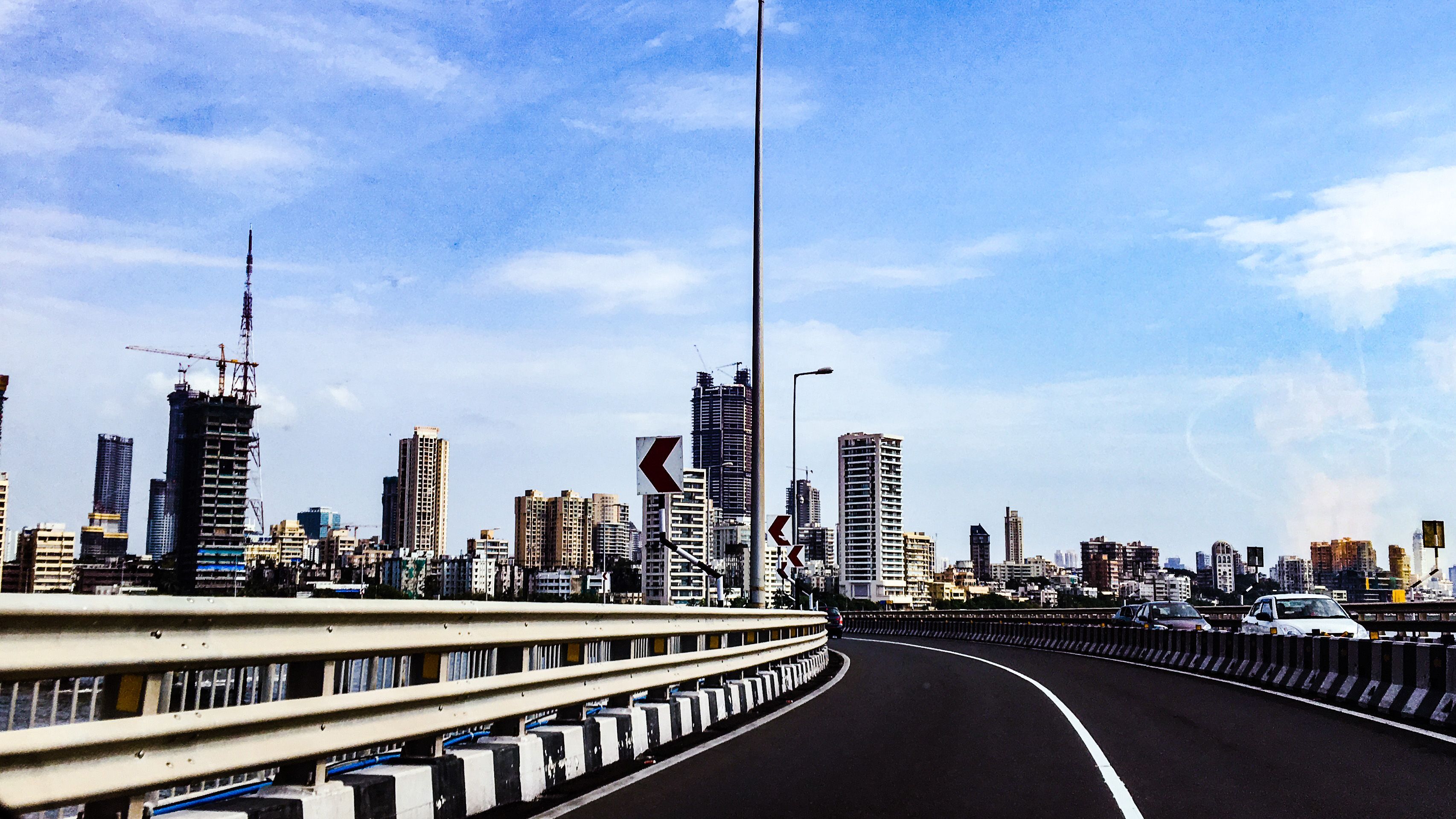
Mumbai is India's financial capital, but it is also one of Pharma sector heart. From the corporate towers of Bandra Kurla Complex to the busy distribution networks sprawling across Andheri and Goregaon, the city sits at the heart of India's $57 billion pharmaceutical industry. Doesn't matter if you are a healthcare professional, an entrepreneur, a medical representative, or simply curious about how India's medicines are made and moved, understanding the Mumbai pharma industry gives clear picture on how this industry actually works and where you can see growth.
Why Mumbai Is the Backbone of Indian Pharma?
Mumbai's role in Indian pharma goes beyond being home to large companies. The city provides the infrastructure, the talent, and the commercial access that few other Indian cities can match.
The port and airport connectivity makes Mumbai the natural gateway for pharmaceutical exports. India exported pharmaceuticals worth $30.47 billion in FY 2024-25, and a significant share of that export pipeline runs through Mumbai's logistics network. For companies that manufacture in hubs like Baddi, Ahmedabad, or Hyderabad, Mumbai's ports and cold-chain logistics often form the final leg of the supply chain before products reach international markets.
This skilled manpower is another major advantage. Mumbai's network of pharmacy colleges, medical institutions, and research facilities produces a steady stream of pharmacists, chemists, regulatory affairs professionals, and medical representatives. This talent pool makes it good for both large multinationals and growing domestic companies to operate efficiently from the city.
And then there is the regulatory infrastructure. Key offices of the Central Drugs Standard Control Organization (CDSCO) office is in Mumbai, making it easier for companies to manage drug approvals, licensing, and compliance from the city itself.
The Big Names of Mumbai's Pharma
Mumbai's pharma landscape is anchored by some of the most recognizable names in global healthcare.
Sun Pharmaceutical Industries, headquartered in Goregaon, is India's largest pharmaceutical company and the world's fourth-largest specialty generic company. Sun Pharma operates in over 100 countries and has a particularly strong presence in dermatology, ophthalmology, and oncology segments that are growing faster than the broader market.
Cipla, with its headquarters in Mumbai, has built its reputation over decades on making life-saving drugs affordable. The company has a strong presence in respiratory, cardiovascular, and anti-infective therapies and exports to more than 100 other countries.
Lupin, headquartered in Santacruz East, is a global generics leader with particularly strong positions in cardiovascular, respiratory, anti-infective, and diabetology segments.
Glenmark Pharmaceuticals, based in Andheri East, focuses on branded generics, specialty drugs, and novel research, with dermatology and respiratory as its strongest segments.
Wockhardt operates from Bandra Kurla Complex, combining pharmaceutical formulations with biotechnology, particularly in antibiotic research and hospital care.
Beyond these giants, Mumbai hosts Indian subsidiaries of multinationals like Pfizer, Novartis, Abbott, and GSK, all of which manage their India operations out of the city. This concentration of domestic and multinational pharma in one location makes Mumbai the commercial and regulatory hub of the entire industry.
The Therapeutic Segments Driving Mumbai's Pharma Growth in 2026
Understanding where the Mumbai pharma industry is growing means looking at the therapeutic segments that are expanding fastest, both in terms of patient demand and business opportunity.
Cardiovascular and Anti-Diabetic
Cardiovascular therapies account for approximately 22% of India's pharmaceutical revenue, making it the second-largest therapeutic segment after anti-infectives. The urban concentration of hypertension and heart disease in cities like Mumbai drives a consistently high demand for cardiac formulations. Anti-diabetic drugs are growing even faster. India currently has over 101 million diabetic patients, a number that is expected to keep rising due to sedentary urban lifestyles and dietary changes. Mumbai, with its dense urban population, is a primary market for both segments.
Dermatology
Mumbai's climate is humid, coastal, and prone to temperature extremes which makes skin conditions persistently common across the city's population. This makes dermatology one of the most commercially active therapeutic segments in the Mumbai market. Companies like Glenmark and Ajanta Pharma have built strong dermatology franchises partly because of this urban demand. The segment is also attractive because derma products carry higher margins than general medicines, making them popular in the PCD franchise and third-party manufacturing space.
Ophthalmology
Ophthalmic products are a fast-growing segment nationally, and Mumbai reflects this trend. Rising screen time, urban pollution, and an ageing population are all contributing to increased demand for eye drops, ocular supplements, and surgical ophthalmics. Sun Pharma and Ajanta Pharma both have established ophthalmic divisions, and the segment is seeing increasing interest from smaller companies seeking franchise and distribution opportunities.
Respiratory
Mumbai's air quality challenges drive a persistent demand for respiratory products. Anti-asthmatic formulations, bronchodilators, and respiratory antibiotics see strong demand across Mumbai's hospitals, clinics, and retail pharmacies. Cipla built much of its reputation on respiratory therapies and continues to lead this segment from its Mumbai base.
Nutraceuticals and Protein Supplements
One of the fastest-growing segments in the Mumbai pharma and wellness market is nutraceuticals. Rising health consciousness among Mumbai's working population, growing gym culture, and increasing awareness of preventive health are all fueling demand for protein powders, multivitamins, omega-3 supplements, and immunity boosters. This segment is particularly attractive because it sits at the intersection of pharma and FMCG products can be distributed through both pharmacy channels and wellness retail.
Gynaecology
The gynae therapeutic segment is seeing strong growth driven by increasing awareness of women's health, rising rates of PCOS and fertility treatments, and expanding prenatal and postnatal care. Mumbai's dense population of women in the working-age bracket, combined with a large network of gynaecologists and obstetrics clinics across the city, makes this a commercially significant segment for pharmaceutical distributors and franchise partners.
Paediatrics
With Mumbai's large population of young families, paediatric formulations remain a stable and growing category. Safe and effective children's formulations from antibiotics to nutritional supplements to fever management are in consistent demand year-round, with seasonal peaks during monsoon when infections spike.
The PCD Pharma Franchise Opportunity in Mumbai
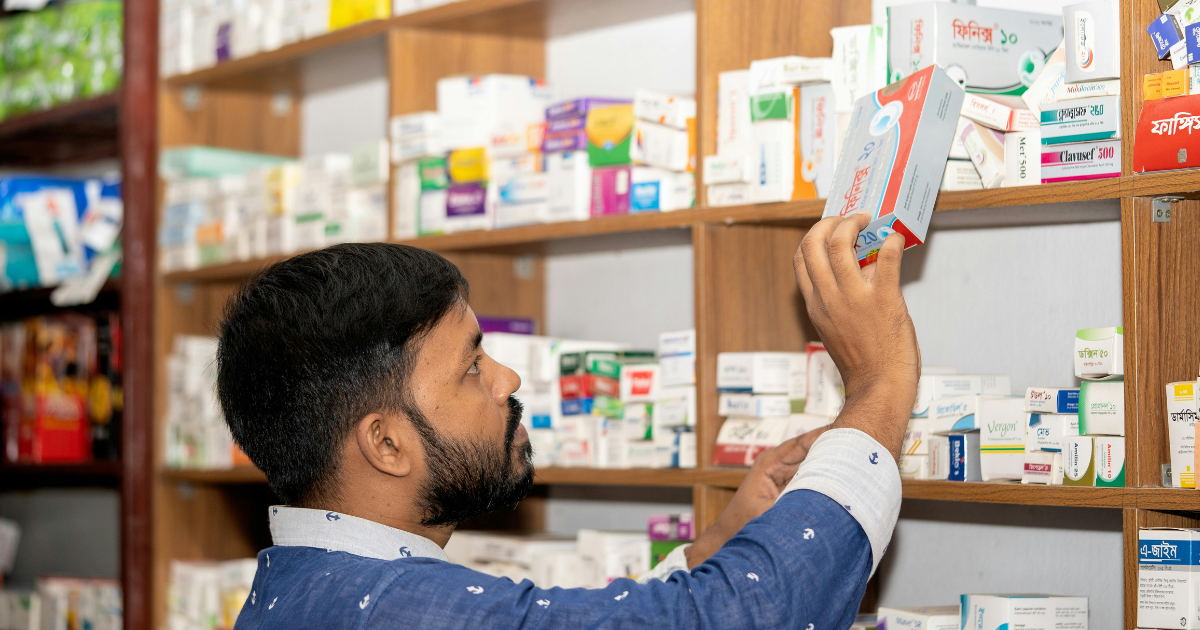
Beyond the large corporate pharma players, Mumbai's pharma ecosystem sustains a large and growing network of PCD (Propaganda Cum Distribution) franchise partners. These are entrepreneurs, pharmacists, and medical representatives who partner with pharmaceutical manufacturers to distribute and market products under monopoly rights in a designated territory.
Mumbai is one of the most attractive cities in India for PCD pharma franchise because of the sheer scale of the healthcare market. The city has thousands of retail pharmacies, hundreds of hospitals, and a dense network of private clinics and general practitioners who represent consistent demand for quality pharmaceutical products.
For someone looking to enter the pharma franchise business in Mumbai, the key considerations are the therapeutic segment, the quality of the manufacturer's products, pricing, monopoly territory availability, and the promotional support on offer.
What Makes a Good Pharma Franchise Partner?
With hundreds of companies offering PCD franchise opportunities, the criteria for choosing the right partner matter significantly.
WHO-GMP and ISO certification are non-negotiable baseline requirements. These certifications ensure that products are manufactured under internationally recognized quality standards, which directly affects product efficacy and regulatory compliance.
Product range breadth matters because a franchise partner with access to multiple therapeutic segments can serve a wider range of doctors and pharmacists, reducing dependency on any single product category.
Monopoly rights protect your investment by ensuring you are the only authorised distributor of those products in your designated area. Without clear monopoly terms, you risk competing with other distributors of the same brand.
Promotional support including visual aids, MR bags, product samples, and digital marketing materials directly affects your ability to build relationships with healthcare professionals and grow sales.
Transparent pricing and no hidden costs are markers of a company operating with integrity. A trustworthy franchise partner is clear about MRP, your purchase price, and your expected margin before you commit.
The Road Ahead for Mumbai's Pharma Industry
India's pharmaceutical market is projected to grow from $57.6 billion in 2025 to approximately $79.7 billion by 2031, and Mumbai will remain at the centre of that growth. Several trends will shape the city's pharma industry over the next five years.
The shift toward specialty and high-value medicines is already underway. Segments like oncology, biosimilars, and specialty generics are growing faster than traditional generics, and Mumbai's established companies are investing heavily in these areas.
Digital health and e-pharmacy are reshaping distribution. E-pharmacy platforms are growing rapidly in Tier-1 cities like Mumbai, and pharmaceutical companies are adapting their supply chains to serve both traditional retail and online channels.
Contract manufacturing and third-party manufacturing are also expanding as smaller brands seek to launch products without investing in their own manufacturing facilities. This creates opportunities for WHO-GMP certified manufacturers to grow their contract manufacturing revenues alongside their franchise business.
Finally, regulatory tightening — including revised Schedule M guidelines — is raising the bar for quality across the industry, which benefits established, certified manufacturers while making it harder for non-compliant players to survive.
Looking for a PCD Pharma Franchise Partner Serving Mumbai?
If you are exploring franchise opportunities in Mumbai or looking for a WHO-GMP certified manufacturer for third-party manufacturing, Stellar Biolabs could be the partner you are looking for.
We, Stellar Biolabs are WHO-GMP and ISO 9001:2015 certified pharmaceutical manufacturer with over 1,000 franchise partners across India. We offer PCD pharma franchise opportunities on a monopoly basis across open territories including Maharashtra, covering therapeutic segments including:
- Gynae and women's health
- Cardiac and diabetic range
- Dermatology and cosmetics
- Ophthalmic and eye care
- Paediatric formulations
- Nutraceuticals and protein supplements
- Dental care
- General medicine range
- And More!
Our product range spans 12+ therapeutic categories with 1,000+ products, all manufactured under strict quality control and certified by WHO-GMP, ISO, and FSSAI.
Explore our full product range and find out which territories are available in your area.
View Our Product Portfolio →Our Products
To speak with our franchise team directly, contact us at contact@stellarbiolabs.co.in or call +91-8699446699.